Elise's Voice Lessons in Fort Collins, CO
  • Fort Collins Voice Lessons
  • About Elise
  • Schedule a Lesson
  • Current Students
    • Materials
    • Practice Report
  • Blog
  • Violin Book For Kids
  • Summer Camps

Elise's Voice Lessons

MY BLOG

Super Strings!  About the Method

12/16/2017

0 Comments

 
Picture
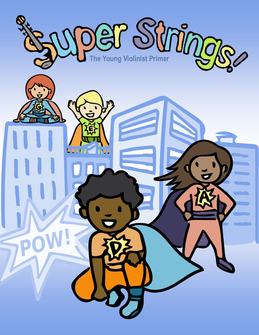
I hope you'll forgive me if I deviate from writing about singing for a bit to share some exciting news.  The violin primer that I've been working on for an entire year is finally finished!

About a year ago I started teaching a few very young musicians how to play the violin.  When I started looking around at method books I was really surprised that I couldn't find anything with colorful pictures and a single-skill focus.  Since I was teaching 3-5 year-olds, I really wanted something that would help me capture their attention through illustrations and fun, quick activities.  I started out adapting materials from a variety of sources and eventually came up with my own materials.  This primer is a collection of everything that I've been using with my own students.
In the violin world, my primer is a collection what you call "pre-twinkle" exercises.  While an older student may learn to play "Twinkle, Twinkle, Little Star" within the first few lessons, there are quite a few violin and musical skills that a child needs in order to be able to play this violin standard.  For younger musicians I find that it's better to isolate these skills and master them one at a time.   I've organized the lessons in my primer to do this.  The focus in Super Strings!  is helping students to develop their violin SUPER powers-- a.k.a. musical skills. 
  • In lesson one, students learn to hold the violin and pluck the strings.
  • In lesson two, students learn to pluck quarter and eighth notes; by the end of the lesson they're ready to play a duet with their teacher.
  • Lesson three introduces all of the open strings to the students.  In this primer, simple note-reading is introduced in  conjunction with string names.
  • Lesson four adds half notes and whole notes to their rhythmic repertoire
  • Lesson five teaches students to actually compose their own pieces as a way of reviewing all of the musical concepts up to this point.
  • Lessons 6 and 7 introduce the bow and provide a number of fun games for mastering the use of the bow.
  • Lesson 8 adds triplets and sixteenth notes, exposing eager young minds to even more interesting rhythmic possibilities.
  • Lessons 9 through 11 teach the first finger, third finger, and then the second finger.  
  • Lesson 12 begins with a basic version of "Twinkle, Twinkle" and adds five fun variations that incorporate the rhythmic, bowing, and fingering skills that students have been taught along the way.
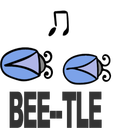
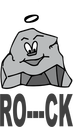
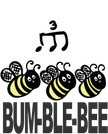
In this  violin book  I've chosen to use word associations to teach rhythm.  I remember when I was taking piano lessons my teacher told me to use the word "raspberry" to count triplets.  Later, when I was learning to play triplets and duplets, she said to piece those rhythms together with the phrase "nice cup of tea."  The word associations were so intuitive that I still remember them. In my violin primer I wanted to be able to tell stories with a cast of characters, so this is what I came up with:
Picture
Picture
Picture
Picture
Picture
Picture
Using these characters I was able to tell a story with pictures and notes.
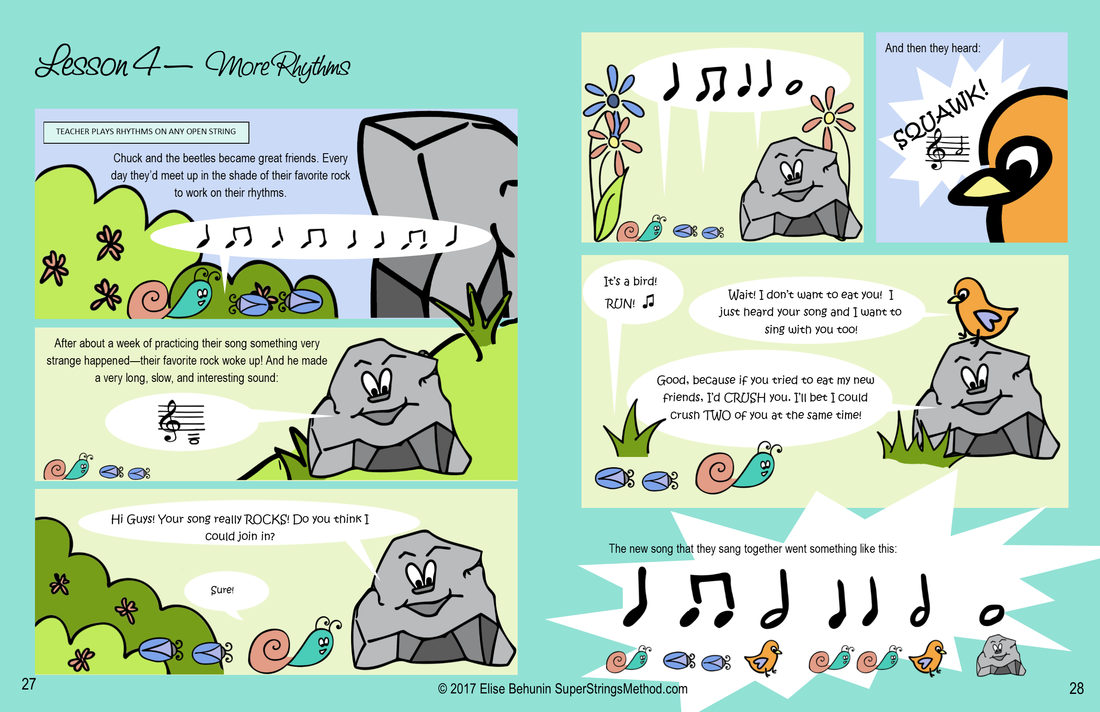
Picture
My students have absolutely loved using flash cards to create their own rhythmic combinations.  And then, once we reach their repertoire pieces I'm able to use words to remind them of their rhythmic combinations.
Another important thing to consider when teaching very young students is the "wiggle factor."  Young children just have a hard time sitting still for very long.  BUT if you're able to focus and channel and this wiggle energy in your lessons, then both you and the student have won!  One of the ideas I came up with to teach the open strings allows kids to move during the lesson, while also learning.  
Picture
Picture
Picture
Picture
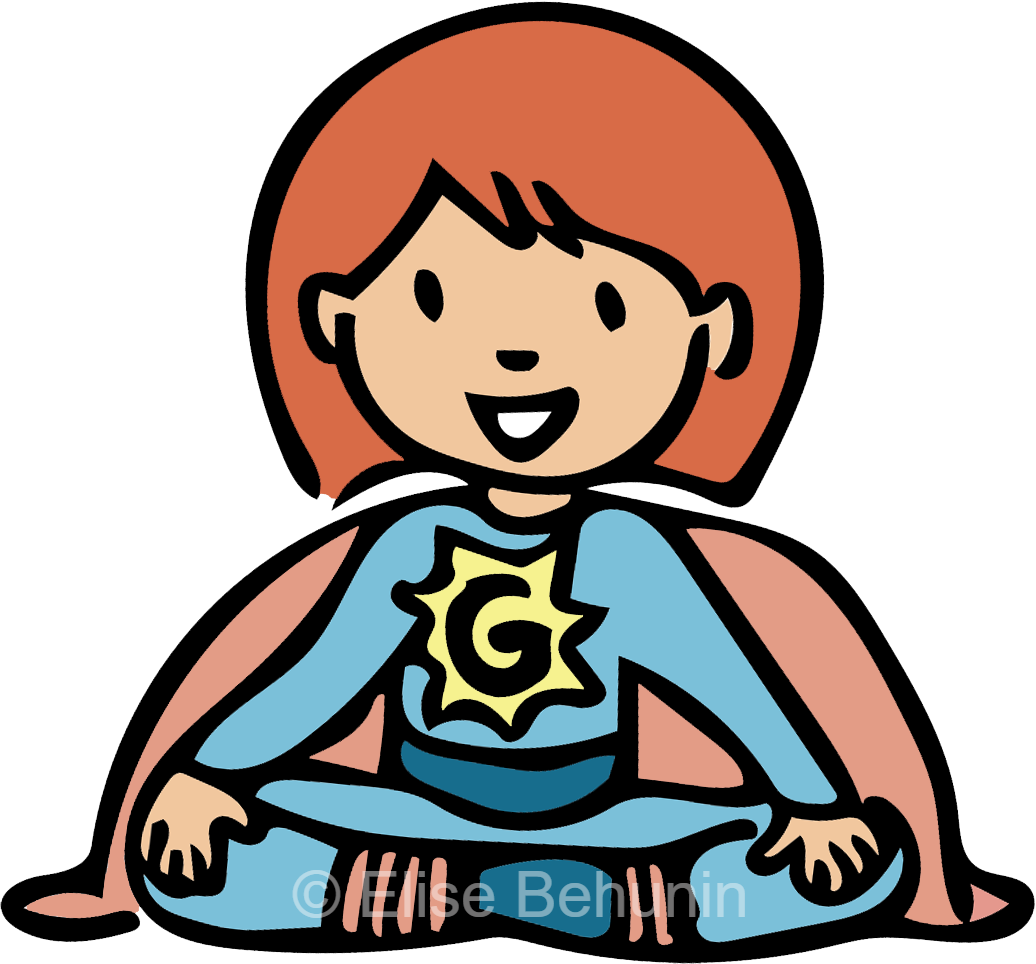
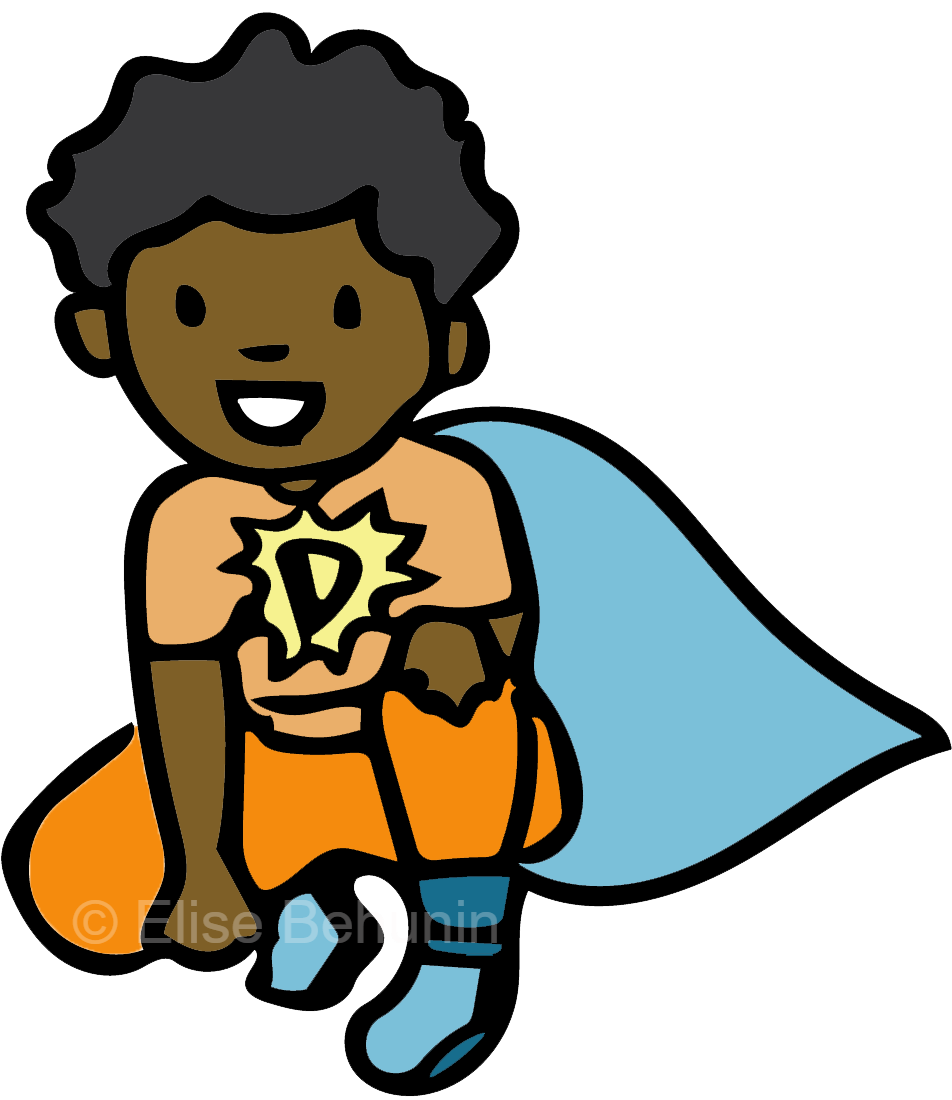
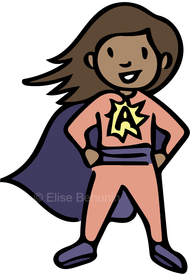
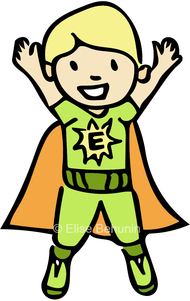
Each of these super musicians represents an open strings.  I wanted their body position to represent the pitches, so the lowest pitch is sitting down and the highest pitch is reaching his arms up into the air.  My students have loved striking these super musician poses, and the kinesthetic connection to the notes works wonders in helping them remember which string is which.

​In my next post I'll discuss some of the review and fingering techniques that the the violin book teaches young musicians. Check back in a few days! Or learn even more about the violin book at SuperStringsMethod.com
0 Comments

Your comment will be posted after it is approved.


Leave a Reply.

    Picture

    Author

    Singer, writer, mother, yogi, wife and chocolate enthusiast.

    Subscribe to Newsletter

    Archives

    January 2022
    May 2019
    September 2018
    August 2018
    March 2018
    February 2018
    January 2018
    December 2017
    September 2017
    August 2017
    June 2017
    May 2017
    April 2017
    February 2017

    Categories

    All
    Vocal Self-Esteem

    RSS Feed

Photos from Davmi Pics, poptech, pedroreyna, vallgall
  • Fort Collins Voice Lessons
  • About Elise
  • Schedule a Lesson
  • Current Students
    • Materials
    • Practice Report
  • Blog
  • Violin Book For Kids
  • Summer Camps